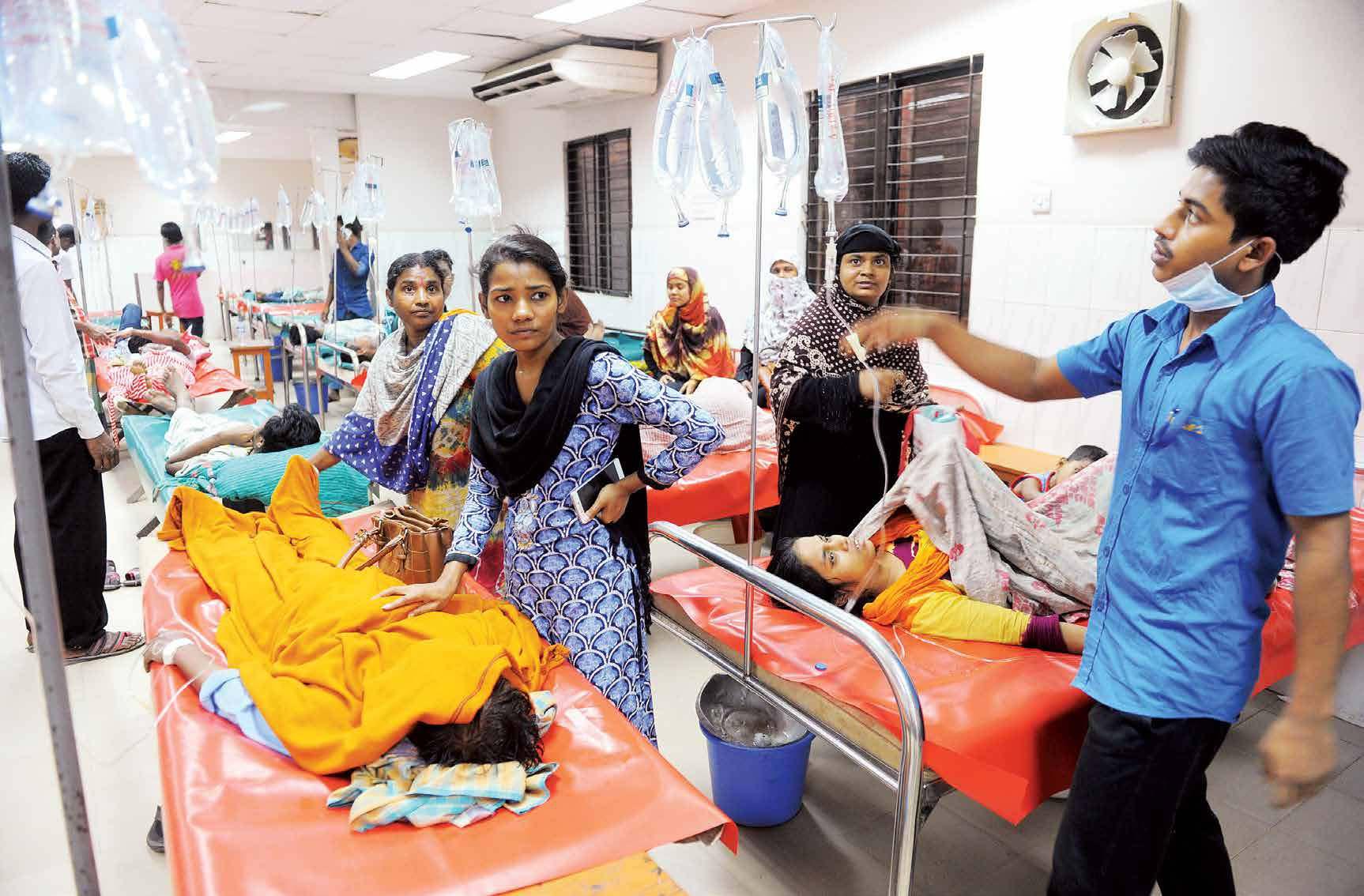
The World Health Day is celebrated across the world every year on 7th April under the leadership of World Health Organization (WHO) to draw mass people’s attention towards the importance of global health. World Health Assembly was first held in the year 1948 in Geneva by the WHO where it was decided to celebrate the World Health Day annually on 7th April. The day was first celebrated worldwide in the year 1950. A variety of events, related to particular theme, are organized at international and national levels by the WHO and all its member States.
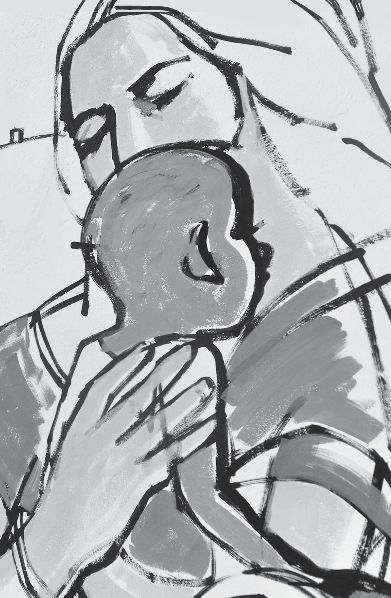
This year 2018 is also the 70th anniversary year for WHO, and WHO has called on world leaders to live up to the pledges they made when they agreed on the Sustainable Development Goals (SDGs) in 2015. WHO urged the world leaders to commit to concrete steps to advance the health of all people by achieving universal health coverage (UHC). This means ensuring that everyone, everywhere can access quality health services, where and when they need them, without facing financial hardship. Countries are approaching universal health coverage in different ways: there is no one size fits all. But every country can do something to advance universal health coverage.
Like other countries, Bangladesh also observed the World Health Day on 07 April, 2018. The theme of this year for observing World Health Day was determined as – ‘Universal Health Coverage: Everyone, Everywhere’. The slogan of this year was “Health for All”. Some issues of universal health coverage for the understanding of the readers are as follows.
Key facts
At least half of the world’s population still do not have full coverage of essential health services.
About 100 million people are still being pushed into “extreme poverty” (living on $ 1.90 or less a day) because they have to pay for health care.
Over 800 million people (almost 12 percent of the world’s population) spent at least 10 percent of their household budgets to pay for health care.
All UN Member States have agreed to try to achieve universal health coverage (UHC) by 2030, as part of the Sustainable Development Goals.
UHC is –
UHC means that all individuals and communities receive the health services they need without suffering financial hardship. It includes the full spectrum of essential, quality health services, from health promotion to prevention, treatment, rehabilitation, and palliative care.
UHC enables everyone to access the services that address the most important causes of disease and death, and ensures that the quality of those services is good enough to improve the health of the people who receive them.
Protecting people from the financial consequences of paying for health services out of their own pockets reduces the risk that people will be pushed into poverty because unexpected illness requires them to use up their life savings, sell assets, or borrow – destroying their futures and often those of their children.
Achieving UHC is one of the targets the nations of the world set when adopting the Sustainable Development Goals in 2015. Countries that progress towards UHC will make progress towards the other health-related targets, and towards the other goals. Good health allows children to learn and adults to earn, helps people escape from poverty, and provides the basis for long-term economic development.
UHC is not –
- There are many things that are not included in the scope of UHC:
- UHC does not mean free coverage for all possible health interventions, regardless of the cost, as no country can provide all services free of charge on a sustainable basis.
- UHC is not just about health financing. It encompasses all components of the health system: health service delivery systems, the health workforce, health facilities and communications networks, health technologies, information systems, quality assurance mechanisms, and governance and legislation.
- UHC is not only about ensuring a minimum package of health services, but also about ensuring a progressive expansion of coverage of health services and financial protection as more resources become available.
- UHC is not only about individual treatment services, but also includes population-based services such as public health campaigns, adding fluoride to water, controlling mosquito breeding grounds, and so on.
- UHC is comprised of much more than just health; taking steps towards UHC means steps towards equity, development priorities, and social inclusion and cohesion.
Making progress towards UHC
Many countries are already making progress towards UHC. All countries can take actions to move more rapidly towards it, or to maintain the gains they have already made. In countries where health services have traditionally been accessible and affordable, governments are finding it increasingly difficult to respond to the ever-growing health needs of the populations and the increasing costs of health services.
Moving towards UHC requires strengthening health systems in all countries. Robust financing structures are key. When people have to pay most of the cost for health services out of their own pockets, the poor are often unable to obtain many of the services they need, and even the rich may be exposed to financial hardship in the event of severe or long-term illness.
Improving health service coverage and health outcomes depends on the availability, accessibility, and capacity of health workers to deliver quality people-centered integrated care. Investment in the primary health care workforce is most needed and cost-effective in improving equity in access to essential health care services.
Good governance, sound systems of procurement and supply of medicines and health technologies and well-functioning health information systems are other critical elements.
UHC emphasizes not only what services are covered, but also how they are funded, managed, and delivered. A fundamental shift in service delivery is needed such that services are integrated and focused on the needs of people and communities. This includes reorienting health services to ensure that care is provided in the most appropriate setting, with the right balance between out-patient and in-patient care and strengthening the coordination of care. Health services, including traditional and complementary medicine services, organized around the comprehensive needs and expectations of people and communities will help empower them to take a more active role in their health and health system.
Measuring UHC
WHO uses 16 essential health services in 4 categories as indicators of the level and equity of coverage in every country:
Reproductive, maternal, newborn and child health:
- family planning
- antenatal and delivery care
- full child immunization
- health-seeking behavior for pneumonia.
Infectious diseases:
- tuberculosis treatment
- HIV antiretroviral treatment
- use of insecticide-treated bed nets for malaria prevention
- adequate sanitation.
Non-communicable diseases:
- prevention and treatment of raised blood pressure
- prevention and treatment of raised blood glucose
- cervical cancer screening
- tobacco (non-)smoking.
Service capacity and access:
- basic hospital access
- health worker density
- access to essential medicines
- health security: compliance with the International Health Regulations.
Each country is unique, and each country may focus on different areas, or develop their own ways of measuring progress towards UHC. But there is also value in a global approach that uses standardized measures that are internationally recognized so that they are comparable across borders and over time.
UHC in Bangladesh
As a concept and a strategy for designing future health sector programs, Universal Health Coverage (UHC) is gaining momentum in Bangladesh, especially in the context of the Sustainable Development Goals (SDGs). The government has made commitments for achieving UHC and has taken key initiatives, including implementing a Communication Strategy for UHC.
In recent years, there has been a general increase in media coverage about universal health coverage (UHC) and efforts to learn from neighboring countries, which has contributed to a policy-level dialogue on UHC in Bangladesh. The first ever Health Care Financing Strategy for the country was developed and approved in 2012 with a roadmap to achieve UHC by 2032, which has generated momentum to begin UHC initiatives on the ground.
The pluralistic nature of Bangladesh’s health system and the increasing availability of care options across its public, NGO, and private for-profit sectors have contributed to impressive health gains in the country over the last few decades. However, Bangladesh continues to face significant health sector challenges due to gaps in the availability and quality of health care, and significant inequalities in access to services. Several factors contribute to these gaps, including shortages of trained health care professionals, poor infrastructure and weak health information systems. Recently USAID also focused their support through the national NGOs to UHC with the name of ‘Advancing Universal Health Coverage (AUHC)’ which would be implemented through the smiling sun networks which was previously known as NGO Health Service Delivery Project (NHSDP) which concluded in 2017.
A targeted and unified vision across partners, as well as a country strategy with finite outcomes, are critical to leveraging small and diverse investments. Moreover, developing an overarching country strategy that identifies activities, outputs, and outcomes can help ensure that grants are well aligned and target common objectives. Building a shared understanding of program priorities across grantees can strengthen linkages and ensure that the initiative stays on track to achieve its objectives. A strong champion outside the government can ensure sustained attention to the UHC agenda.
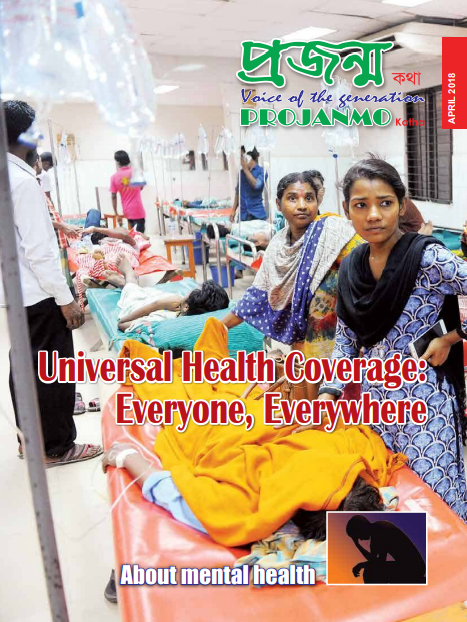
To write this piece of paper, various WHO and GoB documents were consulted and thereby acknowledged.
The article was written for Projomo Kotha – April edition on the year 2018 by Dr. Noor Mohammad.


